
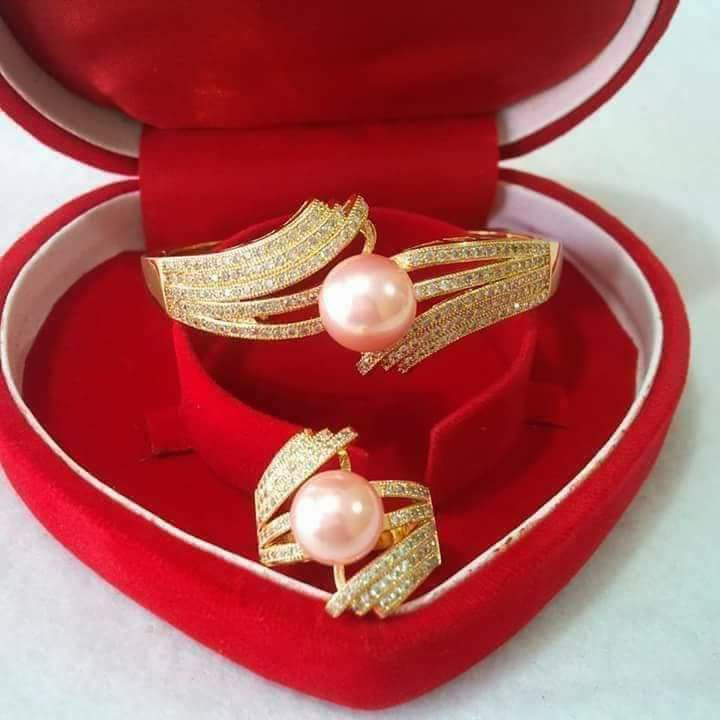
Walking into a pearl shop for the first time can feel overwhelming. Strands of white, cream, pink, and gold hang in glass cases. Earrings shimmer under display lights. Prices range from affordable to eye-watering. How do you know which piece is truly worth your money?
This guide cuts through the confusion. By understanding five simple quality factors — luster, surface, shape, color, and size — you can walk into any Lombok pearl shop with confidence and choose a piece that truly deserves a place in your jewelry box.
Luster: The Most Important Quality Factor
Luster refers to the sharpness and brightness of light reflected from a pearl's surface. It is the single most important indicator of pearl quality. High-quality pearls have a bright, mirror-like reflection. When you look at a top-grade pearl, you can clearly see your own reflection on its surface.
Lower-quality pearls appear chalky or dull. The light sits softly on the surface without sharp reflections. Trained jewelers can assess luster instantly, and with practice, so can you.
Quick test: Hold the pearl under a direct light source. If you can see crisp reflections — window frames, lamp shapes, or your own outline — the luster is strong. If the reflection is blurry or absent, the luster is weaker.
Surface: Understanding Natural Character
Pearls are natural products. Unlike machine-made objects, they often have tiny surface marks, spots, or irregularities. These are not flaws — they are evidence that the pearl grew in a living mollusk rather than a factory mold.
The key is knowing what level of surface perfection matters to you:
- AAA grade: Nearly flawless surface, very rare and expensive
- AA grade: Minor blemishes visible only on close inspection
- A grade: Visible marks, still attractive, more affordable
Most fine jewelry uses AA-grade pearls, which balance beauty with reasonable cost. Tiny marks invisible at arm's length should not concern you.
Shape: Round vs Baroque
Perfectly round pearls are the most traditional and sought-after shape. They have been prized for centuries and command higher prices. But there is growing appreciation for baroque pearls — those with irregular, organic shapes.
Baroque pearls offer something round pearls cannot: uniqueness. No two baroque pearls are identical. Modern designers increasingly embrace baroque pearls for their sculptural quality and contemporary appeal.
Which to choose? If you value classic elegance, round pearls remain the standard. If you want something distinctive, baroque pearls offer character that round pearls cannot replicate.
Color: Beyond White and Cream
Many first-time buyers assume pearls are only white or cream. In reality, pearls naturally occur in a remarkable range of colors:
- White and cream: Timeless classics, suit every skin tone
- Silver and gray: Modern and sophisticated
- Pink and rose: Warm and romantic
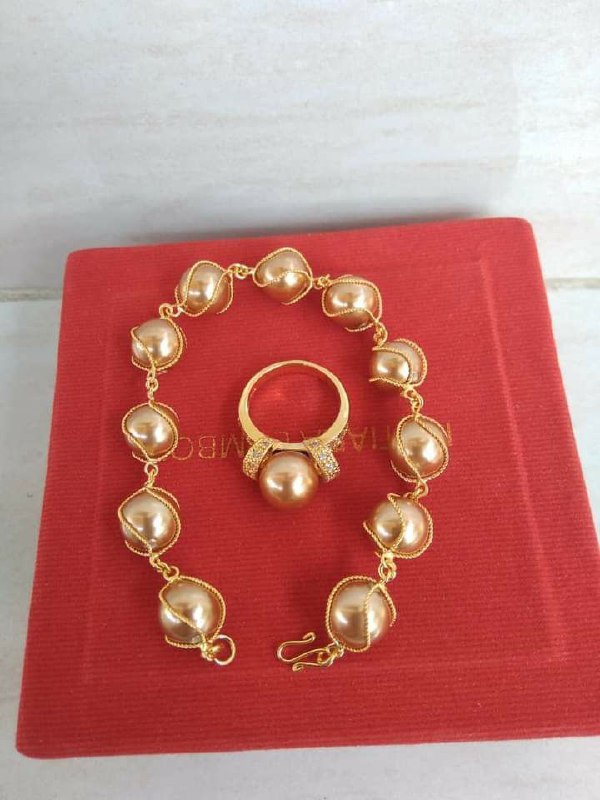
- Golden: Warm, rich, increasingly popular
- Dark tones: Black, chocolate, peacock — dramatic and bold
No color is inherently better. The best color depends on your skin tone, wardrobe, and personal taste.
Size: Quality Over Dimension
Beginners often gravitate toward the largest pearls. Experienced buyers know a smaller pearl with excellent luster is far more valuable than a larger one with dull luster.
Common sizes for necklaces range from 6-7mm (delicate) to 9-10mm (substantial). Earrings often use 7-8mm pearls. Above 10mm is rare and priced accordingly.
Prioritize luster and surface before size. A 7mm pearl with exceptional luster draws more admiring glances than a mediocre 10mm pearl.
Matching: The Mark of a Fine Set
In necklaces, bracelets, and earring sets, matching matters enormously. A well-matched set has pearls consistent in color, size, luster, and shape. The human eye is remarkably sensitive to mismatched pearls.
High-quality matching requires selecting from a large inventory to find pearls that harmonize perfectly. This labor-intensive process contributes to the price — and it is worth paying for.
Practical Tips for Your First Purchase
- Set a budget before entering a shop. Prices vary enormously; a clear budget helps focus your search.
- Compare at least three pieces. Your eye learns quickly when you see options side by side.
- Ask to see pearls under different lighting. Shop lights can flatter mediocre pearls. Step toward natural light if possible.
- Handle the jewelry. Check clasps, metal settings, and how the piece feels when worn.
- Take your time. Reputable sellers encourage questions.
Conclusion
Buying your first pearl in Lombok is more than a transaction. It is a chance to connect with Indonesian craftsmanship, learn about a remarkable natural product, and bring home something that carries the story of your journey.
Trust your eyes more than price tags. Ask questions. Compare carefully. The right pearl will announce itself — not through its price, but through the quiet confidence of its luster, the integrity of its surface, and the way it feels when you wear it.
Explore more Lombok pearl jewelry
Questions? Chat with us on WhatsApp
Post a Comment