
Lombok Gold: Why Golden South Sea Pearls Command Premium Prices
Among pearl connoisseurs, few treasures evoke the same reverence as the golden South Sea pearl. Harvested from the warm waters surrounding Lombok, these luminous gems represent the pinnacle of pearl cultivation — and their price tags reflect it.
But what exactly makes golden South Sea pearls so valuable? Why does a single strand sometimes cost more than a car? The answer lies in nature, patience, and rarity.
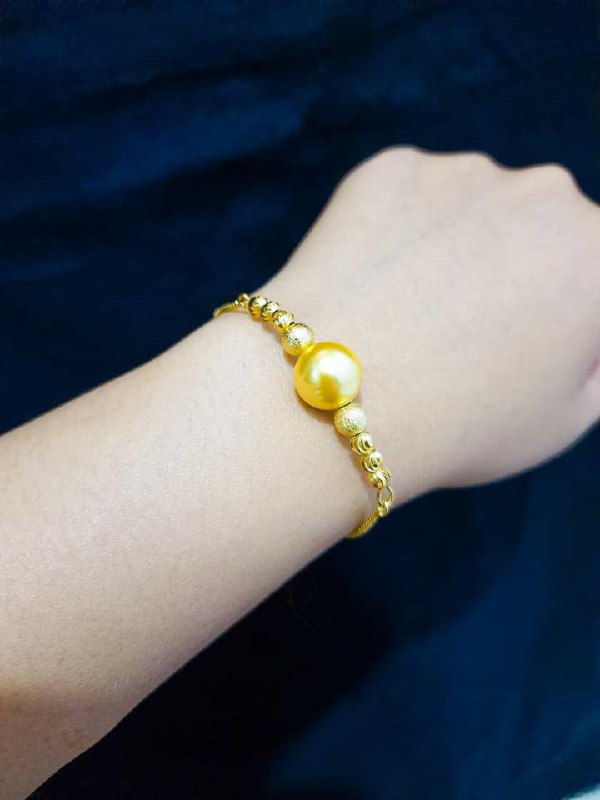
The Anatomy of a Golden Pearl
Golden South Sea pearls are produced by the Pinctada maxima oyster, the largest pearl-producing mollusk in the world. This species thrives in the nutrient-rich waters of eastern Indonesia, particularly around Lombok and West Nusa Tenggara.
What sets golden pearls apart is their nacre — the crystalline substance that forms the pearl. P. maxima produces exceptionally thick nacre, typically 2-4 millimeters, compared to 0.5-1 millimeter for Akoya pearls. This depth creates a unique phenomenon: light penetrates the nacre layers and reflects back with a warm, satiny glow that seems to emanate from within. Jewelers call this "orient," and it is the hallmark of a fine South Sea pearl.
The Rarity Factor: Why Gold Is Scarce
Not all South Sea pearls are golden. Within a single harvest from Lombok farms, colors range from pure white and silver to cream, champagne, and deep 24-karat gold. The rich golden hues that command the highest premiums represent only a small fraction of each harvest — typically less than 10%.
| Color Grade | Frequency in Harvest | Price Premium vs White |
|---|---|---|
| White / Silver | ~40% | Baseline |
| Cream / Champagne | ~30% | +20-40% |
| Light Gold | ~15% | +50-80% |
| Deep / Rich Gold | <10% | +100-300% |
A perfectly matched strand of deep golden South Sea pearls — each pearl identical in color, size, and luster — is extraordinarily rare. Such strands can sell for USD $50,000 to over $100,000 at auction.
Beyond Color: Other Value Drivers
Size
Golden South Sea pearls typically range from 9mm to 16mm, with 12-14mm being the sweet spot for fine jewelry. Pearls above 15mm are rare and command significant premiums. A 16mm golden pearl can be worth 5-10 times more than a 10mm pearl of similar quality.
Luster
The luster of a golden South Sea pearl is distinct from other pearl types. Rather than the sharp mirror-like reflection of Akoya pearls, golden South Sea pearls exhibit a deep, creamy glow — almost translucent in quality. The highest-grade pearls show sharp reflections with a warm undertone.
Surface Quality
Because P. maxima pearls grow over 2-4 years in open ocean conditions, surface blemishes are common. A pearl with clean surface (80-90% blemish-free) is considered exceptional. Perfectly clean pearls are vanishingly rare and priced accordingly.
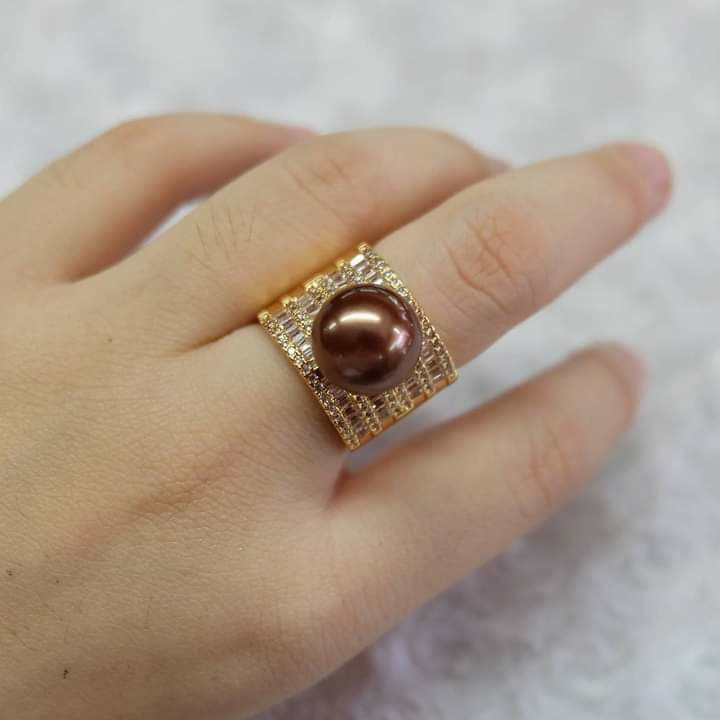
The Human Investment: Farming Golden Pearls
Golden South Sea pearls represent one of agriculture's longest investment cycles. A pearl farm in Lombok must:
- Grow the oyster — 2-3 years before it is mature enough for nucleation
- Nucleate and recover — 3-6 months post-surgery recovery period
- Culture the pearl — 2-4 years in the water, with regular cleaning and monitoring
- Harvest and grade — sorting thousands of pearls to find the golden few
From initial investment to first revenue, a pearl farm typically waits 5-7 years. This time investment, combined with the risks of disease, typhoons, and ocean temperature changes, underpins the price of every golden pearl.
Spotting Quality Golden Pearls: A Buyer's Checklist
- Color saturation: The gold should be rich and even, not patchy or pale
- Body color vs overtone: True golden pearls have gold as the body color, not just a golden overtone over white
- Consistency in matching: In a strand, all pearls should share the same color tone — warm golds with warm golds
- Nacre thickness: Ask for nacre thickness documentation; minimum 2mm for fine quality
- Source transparency: Reputable sellers disclose which farm or region their pearls originate from
Are Golden Pearls a Good Investment?
Unlike diamonds, which have a controlled supply chain, pearl prices fluctuate with harvest yields and market demand. However, top-quality golden South Sea pearls have appreciated steadily over the past two decades. Their rarity — driven by limited suitable farming locations, long cultivation cycles, and natural color variation — suggests continued value retention.
That said, pearls should first be loved as jewelry. The best investment is a piece you will wear and cherish.
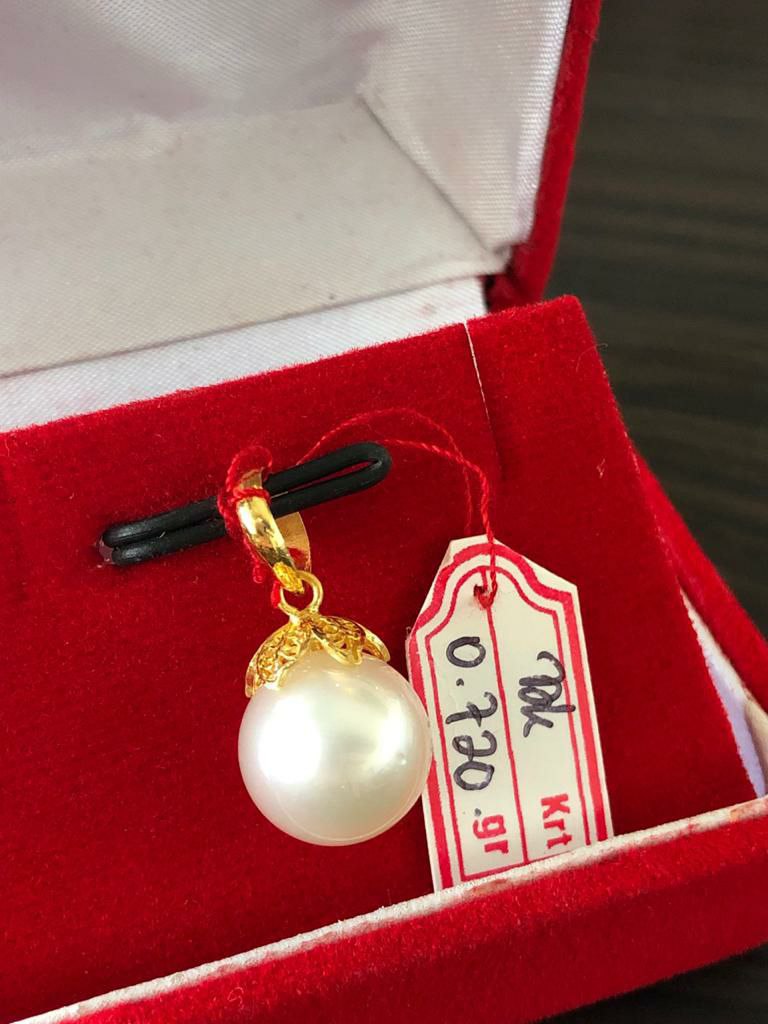
Frequently Asked Questions
Are golden South Sea pearls dyed?
Natural golden South Sea pearls derive their color from the yellow pigment of the Pinctada maxima oyster's nacre and the organic substances in the water. However, some lower-quality pearls are dyed to mimic natural gold. Always buy from reputable sources and request certification.
Where can I buy authentic golden South Sea pearls from Lombok?
Established Lombok exporters like Cantik Syari offer direct-from-farm pricing with transparent grading. Look for sellers who provide detailed information about nacre thickness, color origin, and grading criteria.
How should I care for golden pearl jewelry?
Store golden pearls away from direct sunlight, which can fade their color over years. Wipe with a soft damp cloth after wearing, and never use ultrasonic cleaners or harsh chemicals. Restring silk threads every 1-2 years for necklaces.
Do golden pearls fade over time?
Natural golden pearls from Lombok are very stable. Their color comes from the nacre itself, not from surface treatment. With proper care, they will retain their golden hue for generations.
---
Visiting Lombok soon? Take time to explore pearl jewelry with curiosity: ask about origin, compare craftsmanship, and choose a piece that feels personal. The right pearl — golden or otherwise — can become more than a purchase. It can become a lasting memory of Indonesia.
wa.me/62895328702383
Post a Comment